
Get Residential Roof Replacement
Residential roof replacement services involve local contractors handling projects to replace or repair aging, damaged, or leaking roofs, ensuring better protection and durability for homes.
If you’re considering a residential roof replacement, you’re in the right place to explore your options. Property owners often look into roof replacement to improve curb appeal, enhance home protection, or prepare for future weather challenges. Whether your roof has experienced damage, aging, or simply no longer meets your needs, comparing local contractors can help you find the right solutions for your property. Taking the time to plan your project carefully ensures that you choose a team capable of delivering quality results tailored to your home’s unique requirements.
Navigating the choices among local service providers can seem overwhelming, but understanding your options is a key step in the process. Many property owners seek professional assistance to evaluate the best materials, styles, and approaches for their roof replacement. By exploring local contractors, you can gather information that helps you make informed decisions about your project. Keep reading to learn more about how to connect with experienced professionals who can help bring your roof replacement plans to life.
- Full Roof Replacement - needed when a roof has extensive damage or aging that cannot be repaired effectively.
- Storm Damage Roof Replacement - required after severe weather events cause significant roof deterioration or leaks.
- Roof Upgrade or Modernization - suitable for homeowners looking to improve energy efficiency or update the appearance of their residence.
- Leaking Roof Replacement - necessary when persistent leaks cannot be resolved through repairs alone.
- Roofing System Overhaul - appropriate when existing roofing materials have reached the end of their lifespan or are failing structurally.
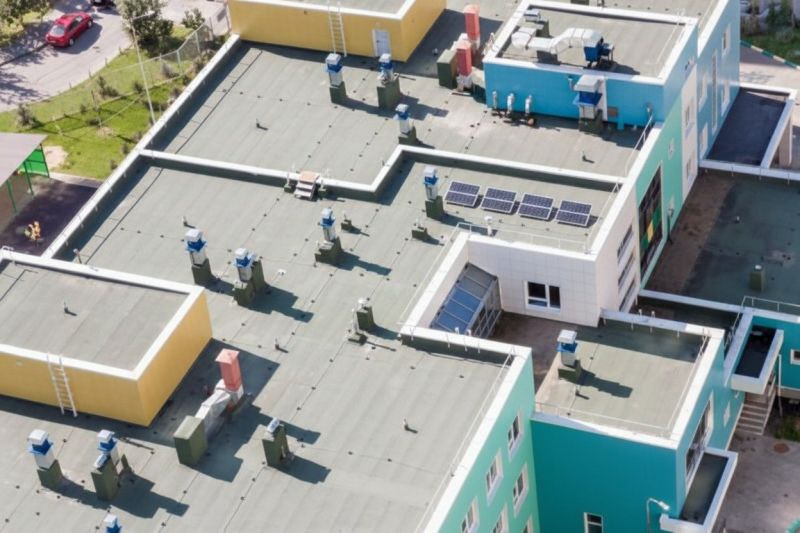
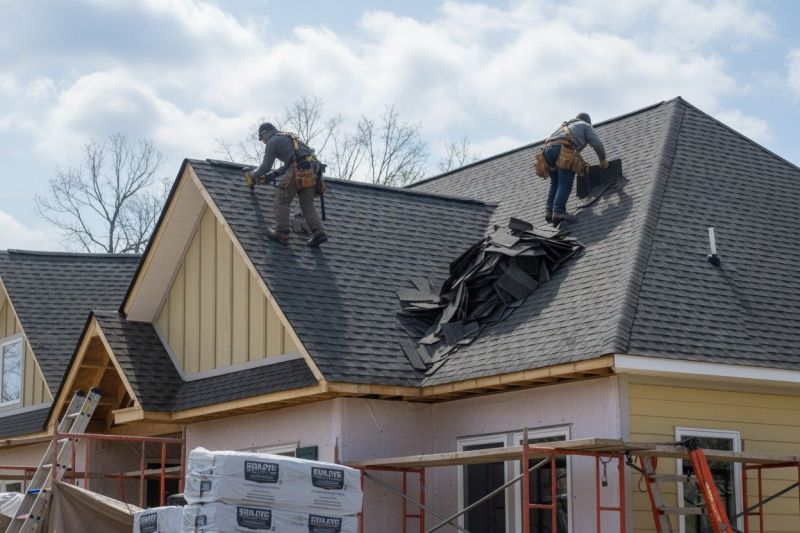
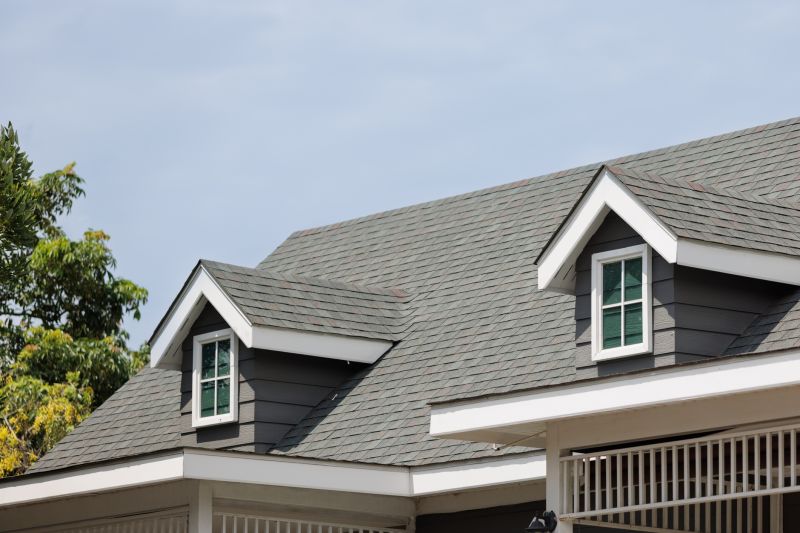
Residential roof replacement services involve removing an existing roof and installing a new one to protect the home from weather elements and structural damage. This process typically includes inspecting the current roof, selecting appropriate materials, and carefully replacing the old roofing layers with new shingles, tiles, or other coverings. Homeowners seeking this service should ensure that the new roof is properly installed to provide long-lasting protection and enhance the property's appearance. Experienced local contractors can handle the entire replacement process, ensuring that the work meets industry standards and local building codes.
A roof replacement can address a variety of problems that develop over time, such as extensive damage from storms, leaks, or persistent wear and tear. When shingles are cracked, curled, or missing, water can seep into the home, causing interior damage and mold growth. Additionally, if the roof has reached the end of its lifespan or shows signs of deterioration like sagging or significant granule loss, replacement becomes a practical solution. By opting for a new roof, homeowners can prevent further issues, improve energy efficiency, and maintain the structural integrity of their property.
This service is commonly used on a wide range of residential properties, including single-family homes, townhouses, and multi-unit buildings. Homes with aging roofs, those experiencing frequent leaks, or properties that have sustained storm damage often benefit from roof replacement. It is also a suitable choice when upgrading the aesthetic appeal of a home or preparing for resale. Local contractors are equipped to handle different types of residential structures, ensuring that the replacement work is tailored to the specific needs of each property.
Homeowners should consider a roof replacement when noticing signs such as persistent leaks, extensive shingle damage, or visible aging of the roof surface. If the roof is over 20 years old and showing signs of wear, replacement can help avoid costly repairs down the line. Additionally, damage from severe weather events or structural issues identified during inspections may warrant a full roof replacement. Connecting with experienced local service providers can help determine whether a replacement is the best option and ensure the work is completed to protect the home’s value and safety.
The overview below groups typical Residential Roof Replacement projects into broad ranges so you can see how smaller, mid-sized, and larger jobs often compare in your area.
In many markets, a large share of routine jobs stays in the lower and middle ranges, while only a smaller percentage of projects moves into the highest bands when the work is more complex or site conditions are harder than average.
Smaller Repairs - minor roof repairs typically cost between $250 and $600 for many routine jobs like fixing leaks or replacing shingles. Most projects in this range involve straightforward repairs on smaller roof sections. Fewer jobs reach the higher end of this spectrum, which usually involves additional materials or complexity.
Partial Replacements - replacing a section of a roof or damaged area generally falls between $1,000 and $3,000. Local contractors often perform these projects on mid-sized roofs, with costs varying based on the size and materials used. Larger or more complex partial replacements can push beyond this range.
Full Roof Replacement - a complete roof replacement typically costs from $5,000 to $15,000 for most residential projects. Many homeowners find their projects fall within this range, though larger or high-end materials can increase the cost significantly. Fewer projects reach the upper tiers, which involve extensive work or premium materials.
Complex or Large-Scale Projects - extensive or multi-story roof replacements can exceed $20,000, especially for larger homes or complex designs. These projects are less common but are handled by local pros with experience in high-end or custom roofing. Costs vary widely depending on materials, size, and project scope.
Actual totals will depend on details like access to the work area, the scope of the project, and the materials selected, so use these as general starting points rather than exact figures.
Siding Replacement - this project involves similar planning, surface preparation, and the use of tools to ensure a durable exterior, making it a related service for residential roof replacement.
Gutter Installation and Repair - installing or repairing gutters requires roofing knowledge, precise planning, and the use of specialized tools, aligning closely with roof replacement skills.
Attic Insulation Services - enhancing attic insulation involves understanding roof structures and planning for proper ventilation, which complements roof replacement projects.
Skylight Installation - installing skylights requires careful planning and roofing expertise to ensure proper sealing and weatherproofing, similar to roof replacement procedures.
Roof Leak Repair - identifying and fixing roof leaks involves inspection and repair skills that are foundational to full roof replacement services.
Venting System Installation - installing or upgrading roof ventilation systems requires knowledge of roof structures and planning, related to the skills used in roof replacement projects.
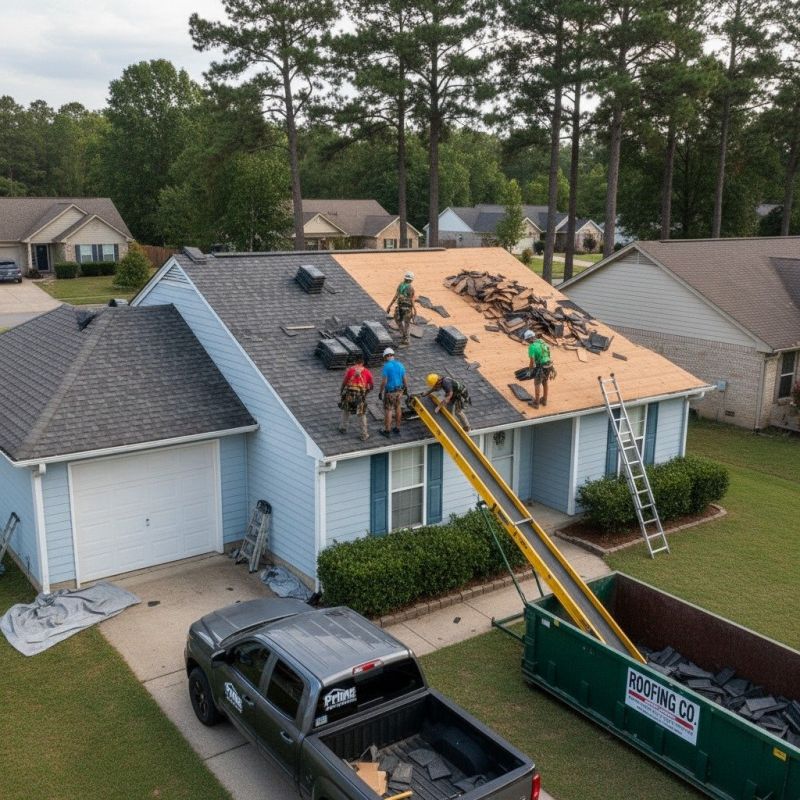
When evaluating service providers for residential roof replacement, it is important to consider their experience with similar projects. Homeowners should look for local contractors who have a track record of successfully completing roof replacements comparable in size and style to their own home. This experience can indicate familiarity with common challenges and best practices, helping to ensure the job is handled efficiently and effectively. By reviewing the types of projects a contractor has completed, homeowners can gain confidence in their ability to meet the specific needs of their roof replacement.
Clear, written expectations are essential to a smooth project process. Homeowners should seek out local pros who provide detailed estimates and scope of work, outlining what is included and what is not. This transparency helps prevent misunderstandings and sets a foundation for mutual understanding. Having a written plan also makes it easier to compare different service providers objectively, ensuring that everyone is on the same page regarding project deliverables, materials, and responsibilities.
Reputable references and good communication are key indicators of a reliable contractor. Homeowners are encouraged to ask for references from previous clients who had similar work done, as these can offer insights into the contractor’s professionalism, quality, and reliability. Additionally, responsive and clear communication from the service provider can make the entire process more manageable, as it facilitates timely updates, questions, and adjustments. Connecting with local pros who prioritize transparent communication and have positive references can lead to a more satisfactory roof replacement experience.
Property owners use Residential Roof Replacement services for practical projects around their homes and businesses. This guide focuses on everyday jobs and straightforward project options.
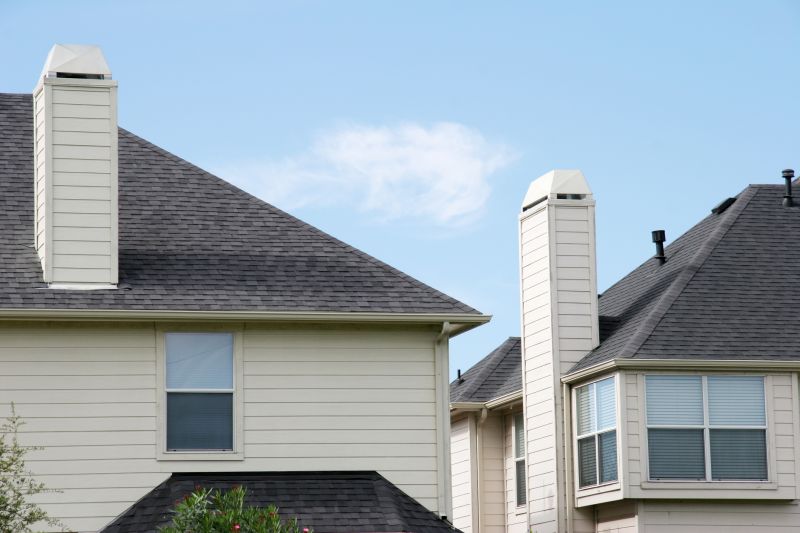
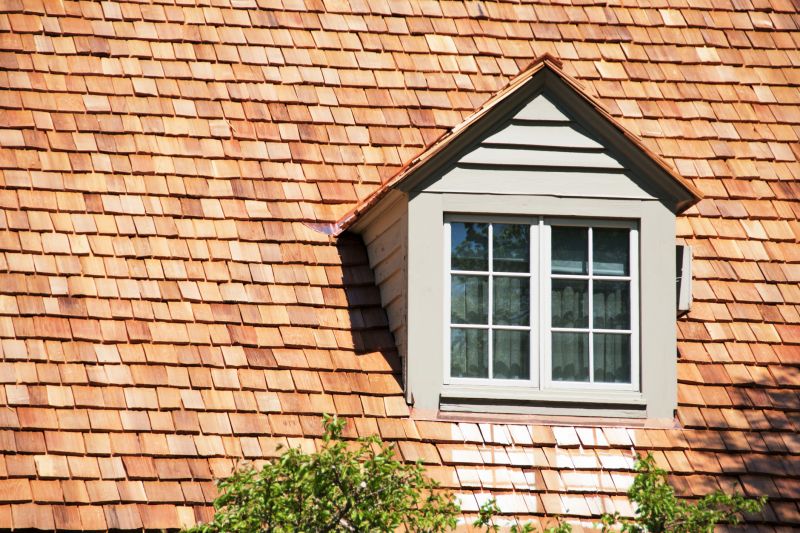
Many property owners consider residential roof replacement when their existing roof shows signs of aging, such as missing shingles, leaks, or visible damage. Other times, weather events like storms or heavy winds can cause immediate damage that requires prompt attention. Local contractors are available to assess these situations and provide options for replacing worn or damaged roofing to help protect the home and improve its appearance.
In addition, homeowners may seek roof replacement services when planning renovations or upgrades to enhance curb appeal and increase property value. Older roofs that have reached the end of their lifespan can also lead to higher energy costs due to poor insulation. Local service providers can offer solutions to upgrade or replace roofs, ensuring the property remains secure and visually appealing.
What are signs that a roof needs replacement? Indicators include missing shingles, persistent leaks, visible damage or rot, and widespread aging or wear that cannot be repaired effectively.
How do local contractors determine if a roof needs replacing? They typically inspect for structural damage, check the condition of roofing materials, and assess the extent of wear or deterioration.
What types of roofing materials are available for replacement? Common options include asphalt shingles, metal roofing, tile, and slate, each offering different durability and aesthetic qualities.
Will replacing a roof improve the home's energy efficiency? A new roof can help with insulation and ventilation, potentially reducing energy costs, depending on the materials used.
How can I find qualified service providers for roof replacement? Contacting local contractors through a lead generation service can connect homeowners with experienced professionals in the area.
Assessing Roof Damage - Property owners can use this service to identify whether their roof needs repairs or replacement after severe weather or visible wear.
Upgrading for Better Insulation - Homeowners may consider roof replacement to improve energy efficiency and reduce heating or cooling costs.
Preparing for Home Renovations - When planning a major remodel, replacing the roof can provide a fresh foundation and enhance overall property value.
Addressing Leaks and Water Issues - Property owners can explore roof replacement options to resolve persistent leaks and prevent interior water damage.
If you are thinking about Residential Roof Replacement for a property, this guide is meant to help you understand the work, the typical project types, and how different options might fit your plans.
When you are ready, you can use the quote form on this page to share a few details about your project. From there, local pros can review the basics and respond with options that match what you have in mind.